



5 Steps to Bring Your Dealer Website Up to Code
Whip your website into shape with this rundown of five mission-critical performance standards and personalization tools every dealer needs to compete on any platform.

Dealer websites that fail to personalize the buying experience or deliver accurate information — including pricing — may need an overhaul to catch up to today’s car shoppers.
Photo by MichaelGaida via Pixabay
Your website has become a critical point of contact with car buyers. Cox Automotive data shows consumers spent 61% of their entire car-buying process online last year. That’s an average of 8.7 hours perusing automotive websites, all before ever stepping foot on your lot.
In this new era, your website should be more than a static placeholder that shows a business location, contact information, and inventory for purchase. It must engage each customer in a unique and meaningful way. It should connect with the customer early in the process, help them find the vehicles and financing that best meet their needs, and serve as an extension of your showroom that brings customers closer to a purchase decision when they do visit the dealership.
Here is your five-point checklist:
1. Put Mobile First.
Our data shows that fully half of dealer website traffic came through mobile devices in 2018. A mobile-first approach reflects the reality that consumers are increasingly using their smartphones and tablets for car shopping. Be sure you have the flexibility to customize your site for different platforms without sacrificing speed, search ranking, or, most importantly, user experience.
2. Adopt a Performance-Based Design.
Performance-based websites listen to the behavior of the consumer and adapt accordingly by serving personalized content and inventory. Just like when a shopper walks into the physical storefront and receives a unique experience based on their needs, the site should discover the shopper’s intent and respond accordingly.
This occurs not just on the homepage but within your SRPs and VDPs as well. When personalized content is shown, we see click-through rates more than double compared with nonpersonalized content!
3. Price the Vehicle and the Deal.
Consumers don’t like showing up to a dealership only to find out the price they saw online is different than the one a salesperson shows them. A good website can properly factor incentives, car options, trade-in value, local taxes, and other fees to give consumers an accurate price estimation. Allowing consumers to calculate real payments online fosters greater trust and prepares those shoppers for their instore visit.
4. Offer Tailored Incentives.
Shoppers who find relevant incentives and specials displayed digitally are more likely to feel a sense of urgency to purchase a vehicle while those incentives still apply. Dealers should tailor these specials to consumers based on their preferred vehicle and location and rely on personalization technology to put the right offers in front of the right customers all throughout the website.
5. Build a Digital Storefront.
Highlighting your featured inventory — from the newest arrivals to the vehicles that need more eyeballs on them — is a great way to give the consumer targeted and accurate information about your inventory offerings. Most buyers don’t know the exact vehicle they want to purchase when they begin shopping. A well-designed digital storefront leverages previous shopping behavior and data to provide recommendations.
A personalized shopping experience is now a requirement for any dealer who wants to win business in the digital world. Each consumer is different, and they all take different buyer journeys. You will find a thoughtfully designed website can accommodate each individual’s car-buying needs, increasing customer satisfaction and your bottom line.
Bob George is assistant vice president at Dealer.com (div. Cox Automotive).
More Digital
Dealer Debrief: New Technician Credential & Vehicles for Change
In this week's debrief, host Lauren Lawrence covers a new ADAS technician credential that is in the works and a partnership between NADA and Vehicles for Change.
Read More →
Dealer Debrief: Dealer's Choice Awards
In this week's debrief, host Lauren Lawrence covers reinsurance, IIHS safety picks, and voting for the 2026 Dealers' Choice Awards.
Read More →
JD Power Launches F&I Performance, ID Verification Tools
The resources are the first two offerings by the company's new Dealer Solutions division, which is being led by auto industry veteran Doug Betts.
Read More →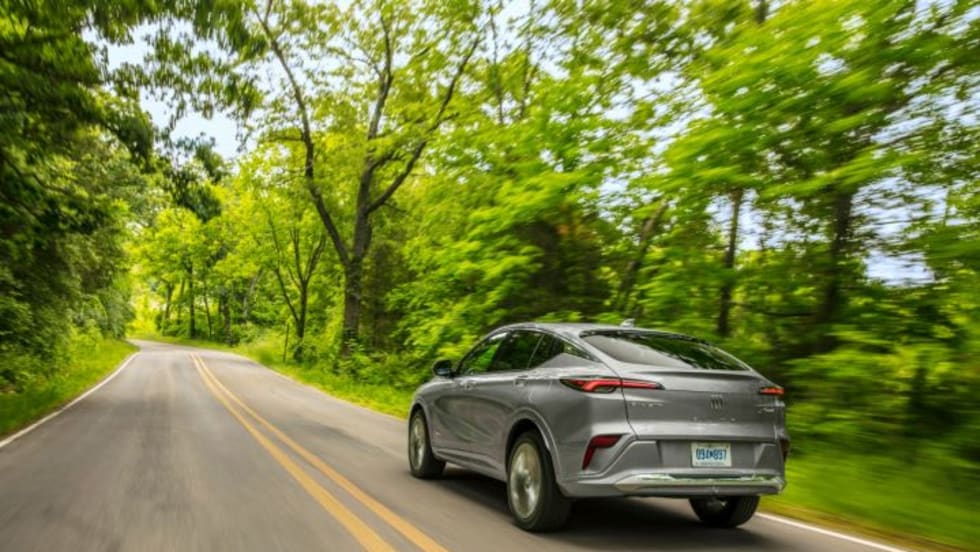
Advanced Safety Features Make a Difference
GM says research shows such technologies have made real inroads in reducing the rate of U.S. collisions as it aims for crash-free roads.
Read More →
Cox Automotive to Acquire Fullpath
The company says the deal brings artificial intelligence-native data and marketing infrastructure to its dealer network for a unified platform.
Read More →
Managing Risk Effectively Through Changing Times
The variables influencing risk pricing have changed significantly over the past five years. Being proactive and responsive to emerging trends is not optional but essential.
Read More →
Dealer Debrief: EV Sales, Brand Loyalty & More
In this week's Dealer Debrief, host Lauren Lawrence covers EV sales, tire brand loyalty, and new industry executive leaders.
Read More →
Reynolds, Corpay Partner to Enhance Dealership Payables
The new connection between the companies is designed to help digitize payments, targeting smoother transactions for automotive dealers.
Read More →
Owner Retention Stakes Have Never Been Higher
Service advisers represent dealerships’ foundation in fostering ongoing customer loyalty, and they must maintain certain standards to keep that foundation strong.
Read More →
Free Public Scoring System Rewards Honest Dealer Prices
CarEdge Dealer Transparency Index is based on verified quotes, and retailers can be rewarded with badges and other marketable proofs of honest pricing.
Read More →