



Slippery Synthetic Fraud Increasingly Occurring in Dealerships
As COVID-19 has lead to more vehicles being financed and purchased online, the ability of the F&I department to sift out synthetic fraud will be increasingly valuable to them. F&I managers are encouraged to take another look at available technologies to identify synthetic fraud when practiced against their dealership.
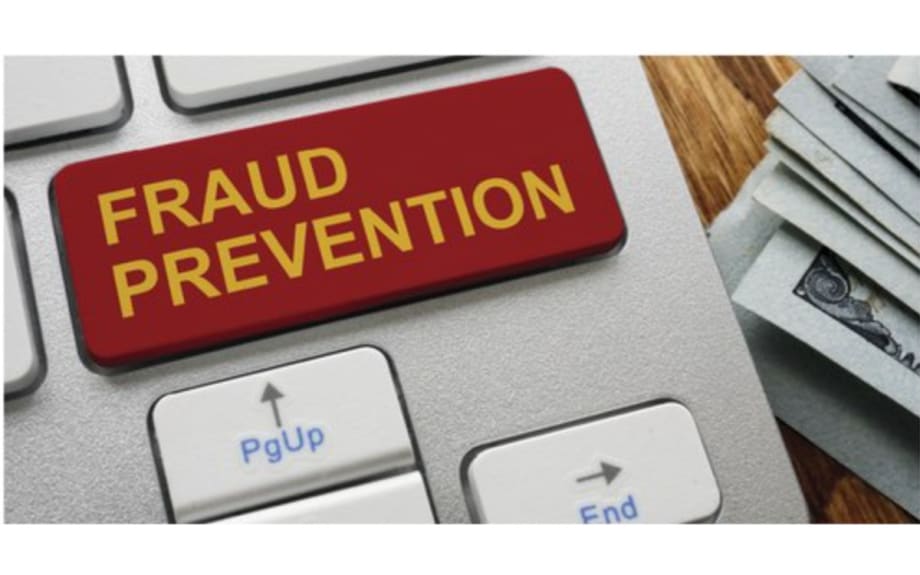
As COVID-19 has lead to more vehicles being financed and purchased online, the ability of the F&I department to sift out synthetic fraud will be increasingly valuable to them. F&I managers are encouraged to take another look at available technologies to identify synthetic fraud when practiced against their dealership.
Image by DESIGNER491 via GettyImages.com
The harsh reality of the crime known as “synthetic identity fraud” threatening auto dealerships, is how damaging it can be if these fraudsters are successful without detection. Synthetic fraud in 2019 was costly to dealers and their lenders – $69 million. The evidence we see, which is supported by Experian and others, is that incidents of synthetic fraud are on the upswing. And now, more than ever, with COVID-19 forcing dealerships to move their operations online, we can only expect this illegal practice to become even more of a threat.
F&I departments are encouraged to take another look at available technologies to identify synthetic fraud when practiced against their dealership.
My advice is, take heed against this risk. Learn how to protect (and remedy) your dealership from this hard-to-detect crime.
This crime is a different type of identity fraud: It is not perpetrated by run-of-the-mill cheaters who attempt to purchase a car with someone else’s identity and have no intention of ever making a payment.
Instead, these fraudsters present an identity that they have created with an established credit file. They are patient, as well; they have spent more than a year building these files and establishing credit only to wait for the “bust out” date. The problem is, the social security number, employment history, address, and other forms of I.D. presented isn’t theirs – it’s a homogenization of yours, mine, and your granddaughter’s.
CyLab, Carnegie Mellon University's security and privacy research institute, reports stolen children’s SSNs are used for synthetic frauds 51 times the rate of adults because of the “unique value of unused Social Security numbers.”
Unless your dealership is using synthetic fraud detection technology, it’s unlikely that even the most diligent finance director will catch on when the dealership is being defrauded this way.
Then, with the deal done, the new “owner” drives off having no intention of paying the loan – and laughing on their way, knowing he or she has left behind no tracks.
Stop the Fraud
Some dealers mistakenly believe that the Red Flag identification methods detect synthetic fraud; it does not. These fraudsters have built/created credit files that are in line with the identity they are presenting at the point of sale. To isolate synthetic fraud, you must use detection technology that goes deep into the “buyer’s” credit history to identify unusual credit behaviors and relationships – for instance, who else is listed on the credit history that might foretell of manipulation.
Synthetic fraud protection compliance software, for instance, detects such identity fabrications and alerts F&I. Thus notified, the manager should ask the buyer for more clarification or proof of identity before proceeding with the transaction.
To send the suspect buyer packing, ask them tough identification questions, or ask them to sign documents that will allow the dealership to have the SSN they present verified by the Social Security Administration.
Yes, this questioning could offend some legitimate buyers, but dealers agree that risk is manageable given the value of the asset in consideration.
As more vehicles are financed and purchased online through digital dealerships during the COVID-19 era, dealerships’ ability to sift out synthetic crime from these channels will be increasingly valuable to them, their lenders, and their mutual, honest customers. F&I departments are encouraged to take another look at available technologies to identify synthetic fraud when practiced against their dealership.
Ken Hill is the Managing Director of 700Credit, a provider of credit and compliance products in the automotive industry. The company serves more than 11,000 automotive dealerships through its integration with 150 affiliate partners.
Originally posted on F&I and Showroom
More Dealer Ops

Ladies and Gentlemen, This Is a Dealership: Why the Fundamentals Still Decide Who Wins
A teaching moment by a legendary football coach happens to apply perfectly in the auto retail space. Learn what it is and how to use it to your store’s advantage.
Read More →
Timing the Market Can Hurt Long-Term Program Performance
For dealer-owned reinsurance entities, avoiding volatility entirely can mean falling behind inflation and missing market rebounds that drive long term surplus growth. Missing just a handful of strong market days can materially impact cumulative returns—an important reminder for long horizon trust and investment strategies.
Read More →
Dealer Ads and the FTC
The agency has made it clear in recent enforcement actions and warnings, in auto retail and other industries, that advertised prices must include all nonoptional costs to the consumer.
Read More →
Used Autos Supply Dwindles
The March shopping surge, despite high prices, cut into inventory by the most since the thick of the pandemic, Cox Automotive analysts calculated.
Read More →
Managing Risk Effectively Through Changing Times
The variables influencing risk pricing have changed significantly over the past five years. Being proactive and responsive to emerging trends is not optional but essential.
Read More →
Survey Reveals What Won't Fix What's Breaking Car Sales
AutoPayPlus says extra-long auto loans are trapping consumers and threatening the dealer trade-in cycle, and that the industry is leveraging the wrong tools to combat high MSRPs.
Read More →
IA American Appoints Two Execs
Senior vice presidents of the company's agent and dealer channels chosen to support general agents and help auto dealers with sales and performance.
Read More →
Cox Automotive Acquires Inspection Firm
Full ownership of Alliance Inspection Management, or AiM, meant to unlock growth for Manheim inspection capabilities
Read More →
Assurant Expands Partnership With Holman
Extended collaboration delivers training, products and performance development to 30 newly acquired Holman dealerships
Read More →
Franchises, Throughput Down in First Half
A handful of states see franchise growth through June, while EV sales per store boost overall business in U.S.
Read More →