



When the Cops Aren’t the Cops
Recent fraudulent emails to dealerships purporting to be from the FTC prompt attorney Tom Hudson to issue a word of caution to dealers: Make sure any "authorities" who approach the dealership are the real thing before taking any action.

If the Enforcers Come Calling, Make Sure They’re the Real Deal
You have been tracking the developments in Washington, D.C., relating to the Federal Trade Commission’s beefed-up efforts to police dealers, and you know that one of the ways the FTC picks its targets is by fielding consumer complaints. So what’s your reaction when your dealership receives an email purporting to be from the FTC with a subject line that says “Urgent: Pending Consumer Complaint”?
People who aren’t suspicious of everything that they receive on the Internet would likely scream, “Yikes!” then open the thing to see how much trouble they were in. That would be a bad idea.
On September 1, 2011, the FTC warned small businesses that any email they receive with that subject line is not from the FTC. The email, according to the FTC, says that a complaint has been filed with the agency against the company receiving the email. The FTC advises not to click on any of the links or attachments with the email. Clicking on the links may install a virus on the computer. Double yikes!
This development brings to mind an incident a couple of years ago in Florida in which two fellows in dark suits showed up at a Florida dealership, flashed some ID and announced that they were from the FTC and had come to conduct a privacy safeguarding audit on the dealership. They spent the day plowing through the dealer’s customer files, and pirated all the personal financial information they could stuff into their briefcases. You know how this is going to end. It turns out that they were identity thieves, and you can imagine the ensuing mess.
So, if the phone rings with a purported FTC staffer on the other end asking for information, if two guys dressed like the Blues Brothers flash what look like FTC badges or if you receive one of these bogus emails, it’s time to toss out the old anchor and stop the boat. If you have any doubt, and I mean any doubt, that you are really dealing with the FTC (or the FBI, the local cops, the Consumer Financial Protection Bureau, the IRS or any other sort of enforcer), go into “information defense” mode.
Instruct your folks never to answer or open emails like this one. If you are dealing in person or on the phone, do not take any action with regard to any requests you have received until you have verified, as politely as possible (in case they are the real deal), that the people you are dealing with are actually who they say they are. And it goes without saying that you shouldn’t fall for the old trick of verifying their identities by calling the number provided to you by the imposters. Go to the phone directory or Internet and find the number of the office the fraudsters claim to represent. Remember, with staff turnover, this is the sort of lesson that has to be reiterated to your staff again and again.
If you are, in fact, dealing with fraudsters, these precautions will likely run them off. If you happen to be dealing with real, live enforcement personnel from a federal or state agency, they are far more likely to be impressed with the care you are taking in protecting your customers than they are to be miffed at the delay caused by your identification precautions.
Given the level of staffing at the FTC, the CPFB and other enforcement agencies, it’s pretty unlikely you will get a visit from any of their folks. Actually, when it comes to the enforcement agencies, I’d be a lot more worried about agency personnel engaged in mystery shopping, posing as shoppers to gather information on your business practices, but that’s an article for another day.
Vol. 8, Issue 11
More Dealer Ops

Ladies and Gentlemen, This Is a Dealership: Why the Fundamentals Still Decide Who Wins
A teaching moment by a legendary football coach happens to apply perfectly in the auto retail space. Learn what it is and how to use it to your store’s advantage.
Read More →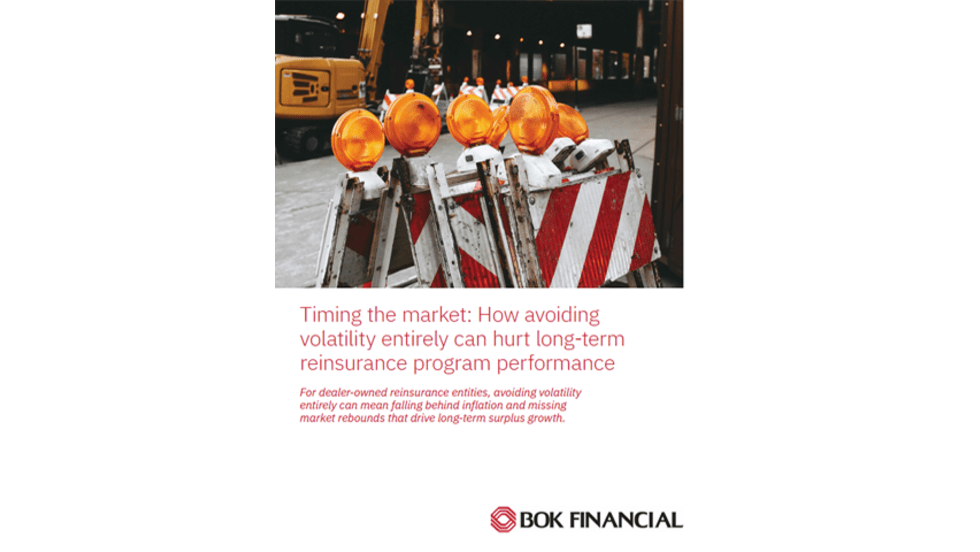
Timing the Market Can Hurt Long-Term Program Performance
For dealer-owned reinsurance entities, avoiding volatility entirely can mean falling behind inflation and missing market rebounds that drive long term surplus growth. Missing just a handful of strong market days can materially impact cumulative returns—an important reminder for long horizon trust and investment strategies.
Read More →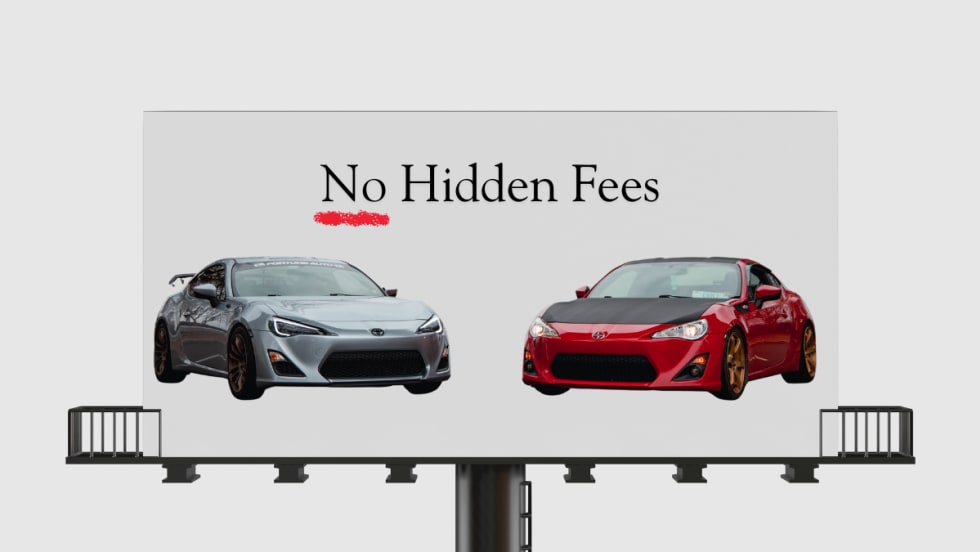
Dealer Ads and the FTC
The agency has made it clear in recent enforcement actions and warnings, in auto retail and other industries, that advertised prices must include all nonoptional costs to the consumer.
Read More →
Used Autos Supply Dwindles
The March shopping surge, despite high prices, cut into inventory by the most since the thick of the pandemic, Cox Automotive analysts calculated.
Read More →
Managing Risk Effectively Through Changing Times
The variables influencing risk pricing have changed significantly over the past five years. Being proactive and responsive to emerging trends is not optional but essential.
Read More →
Survey Reveals What Won't Fix What's Breaking Car Sales
AutoPayPlus says extra-long auto loans are trapping consumers and threatening the dealer trade-in cycle, and that the industry is leveraging the wrong tools to combat high MSRPs.
Read More →
IA American Appoints Two Execs
Senior vice presidents of the company's agent and dealer channels chosen to support general agents and help auto dealers with sales and performance.
Read More →
Cox Automotive Acquires Inspection Firm
Full ownership of Alliance Inspection Management, or AiM, meant to unlock growth for Manheim inspection capabilities
Read More →
Assurant Expands Partnership With Holman
Extended collaboration delivers training, products and performance development to 30 newly acquired Holman dealerships
Read More →
Franchises, Throughput Down in First Half
A handful of states see franchise growth through June, while EV sales per store boost overall business in U.S.
Read More →