



Black Book’s Retention Index Climbs to October 2016 Level
The firm’s Used Vehicle Retention Index for September increased by 1.9% from a year ago to 116, with all vehicle segments showing increases. The compact crossovers, mid-size crossovers, compact car, full-size pickup, and mid-size car segments were the main drivers.
LAWRENCEVILLE, Ga. — Black Book (div. of Hearst)’s Used Vehicle Retention Index for September stood at 116, a 1.9% increase from a year ago and a 0.5% increase from August, the firm reported this week.
The last time Black Book’s key index reached 116 was in October 2016. What’s more, the Index was up for all segments, ranging from a 0.26% increase for small pickups to a 1.82% increase for sporty car. The five segments that drove up the firm’s September index were:
Compact Crossover/SUV: +0.89% MOM
Mid-Size Crossover/SUV: +0.89% MOM
Compact Car: +0.89% MOM
Full-Size Pickup: +0.73% MOM
Mid-Size Car: +0.64% MOM
“The Index ratings over the last few months are a clear indication of the strength that has been present throughout the used-vehicle market in 2018,” said Anil Goyal, executive vice president of operations for Black Book. “What’s interesting this month is the broad strength in the market across all vehicle segments. It is unlikely for the Index to maintain this upward momentum, as we get to the end of the year when typical depreciation patterns are expected to set in.”
The Index dates back to January 2005, when Black Book published a benchmark index value of 100.0 for the market. During 2008, the index dropped by 14.1%. It then dropped by 6.4% in 2016 before rising from 113.3 to 123.0 by the end of 2011 as the economy picked up steam and used vehicle values rose. It continued to remain relatively stable, rising slightly until May 2014. That’s when the index peaked at 128.1.
Originally posted on F&I and Showroom
More Dealer Ops

Ladies and Gentlemen, This Is a Dealership: Why the Fundamentals Still Decide Who Wins
A teaching moment by a legendary football coach happens to apply perfectly in the auto retail space. Learn what it is and how to use it to your store’s advantage.
Read More →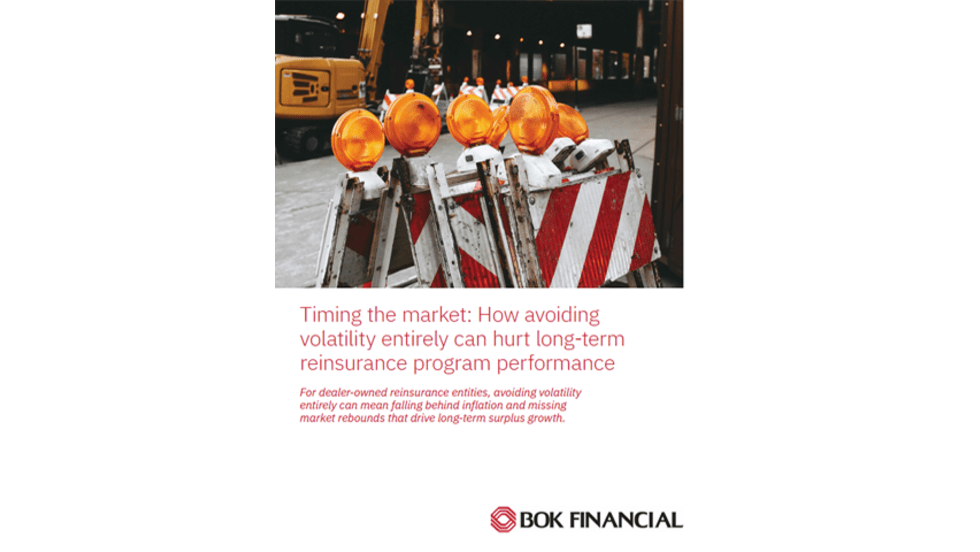
Timing the Market Can Hurt Long-Term Program Performance
For dealer-owned reinsurance entities, avoiding volatility entirely can mean falling behind inflation and missing market rebounds that drive long term surplus growth. Missing just a handful of strong market days can materially impact cumulative returns—an important reminder for long horizon trust and investment strategies.
Read More →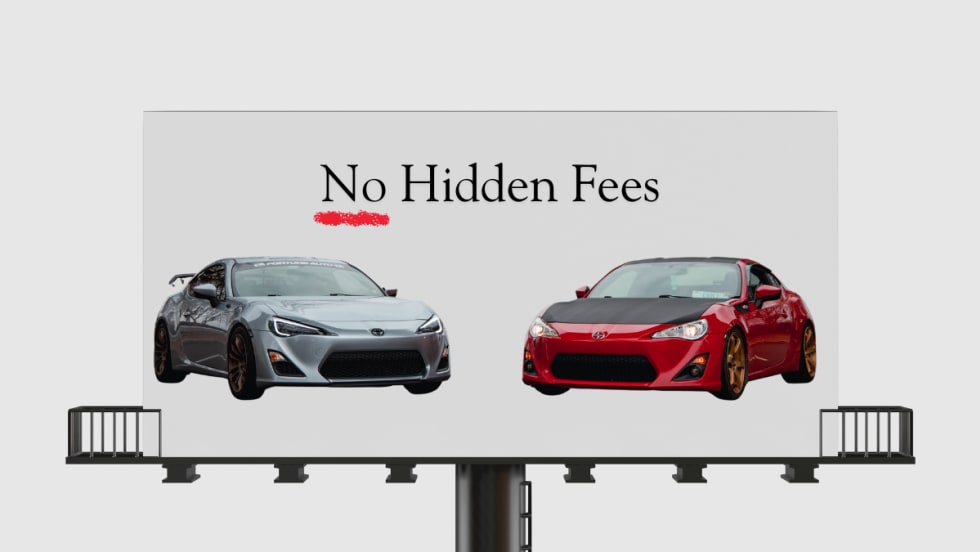
Dealer Ads and the FTC
The agency has made it clear in recent enforcement actions and warnings, in auto retail and other industries, that advertised prices must include all nonoptional costs to the consumer.
Read More →
Used Autos Supply Dwindles
The March shopping surge, despite high prices, cut into inventory by the most since the thick of the pandemic, Cox Automotive analysts calculated.
Read More →
Managing Risk Effectively Through Changing Times
The variables influencing risk pricing have changed significantly over the past five years. Being proactive and responsive to emerging trends is not optional but essential.
Read More →
Survey Reveals What Won't Fix What's Breaking Car Sales
AutoPayPlus says extra-long auto loans are trapping consumers and threatening the dealer trade-in cycle, and that the industry is leveraging the wrong tools to combat high MSRPs.
Read More →
IA American Appoints Two Execs
Senior vice presidents of the company's agent and dealer channels chosen to support general agents and help auto dealers with sales and performance.
Read More →
Cox Automotive Acquires Inspection Firm
Full ownership of Alliance Inspection Management, or AiM, meant to unlock growth for Manheim inspection capabilities
Read More →
Assurant Expands Partnership With Holman
Extended collaboration delivers training, products and performance development to 30 newly acquired Holman dealerships
Read More →
Franchises, Throughput Down in First Half
A handful of states see franchise growth through June, while EV sales per store boost overall business in U.S.
Read More →